At minimum, the topic, date and time in the recipient's time zone, what they'll learn, and a clear registration link. Mentioning the speaker's name and credentials helps too if they add credibility.
Webinar Glossary
Webinar Invitation
A webinar invitation is a digital call to action for online conferences and meetings. It's a powerful tool used by marketers, businesses, and event organizers to create anticipation and excitement for virtual events.
What is a Webinar Invitation?
A webinar invitation is a digital call to action for users to register and attend an online conference or meeting. It’s a powerful tool used by marketers, businesses and event organizers to build anticipation and hype around their virtual events.
A webinar invitation leverages the power of the internet to reach a global audience and bring them together for an engaging event.
It typically includes information such as the date, time and duration of the event, as well as additional details about who will be speaking or what topics will be discussed. This detailed information helps attract attendees and encourages them to join in the discussion.
What are the Benefits of a Webinar Invitation?
Webinar invitations are an effective way to promote events and garner interest. They can be used to:
- attract potential customers
- increase brand awareness
- generate leads
- build relationships with prospects through meaningful conversations.
Additionally, webinar invitations can provide valuable insights into attendees’ interests and preferences - helping event organizers tailor content that meets their needs.
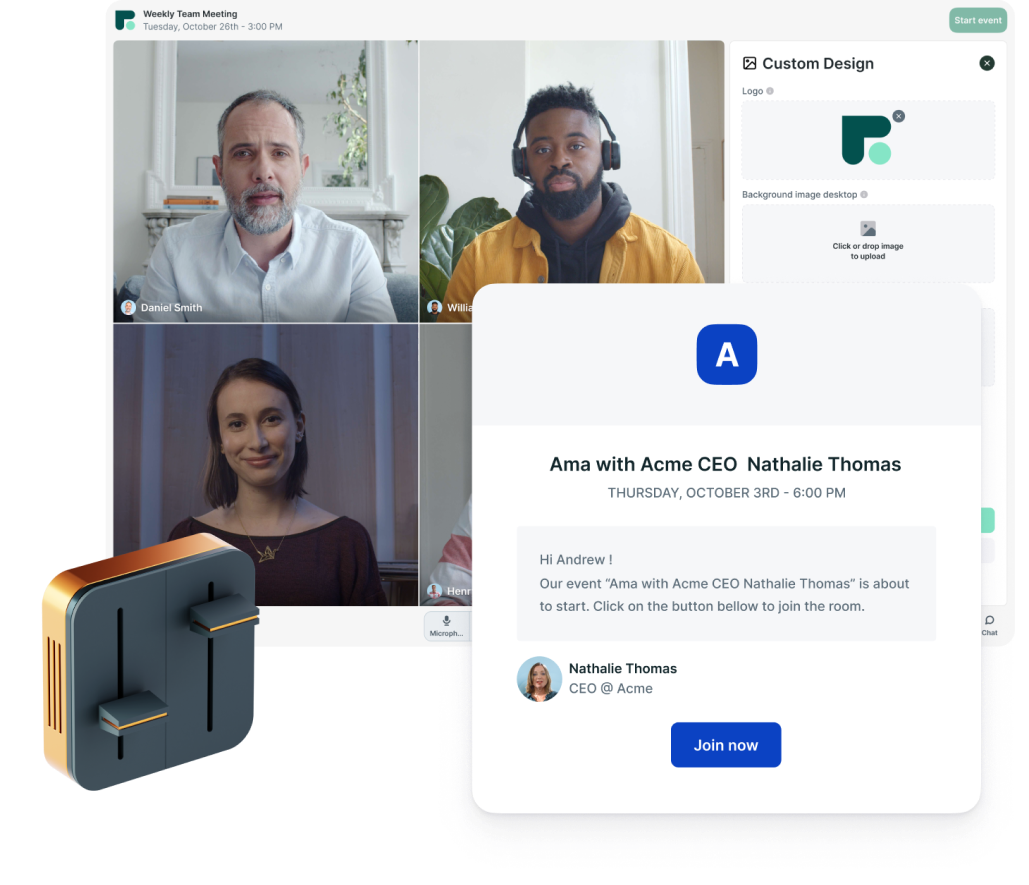
What Information Should be Included in a Webinar Invitation?
When creating a webinar invitation, the most important information to include is the topic of discussion and who will be speaking.
Additionally, event organizers should provide details about the date, time and duration of the webinar - as well as any prerequisites or materials needed to attend.
Finally, an effective webinar invitation should also include a clear call-to-action, such as a link to register for the event.
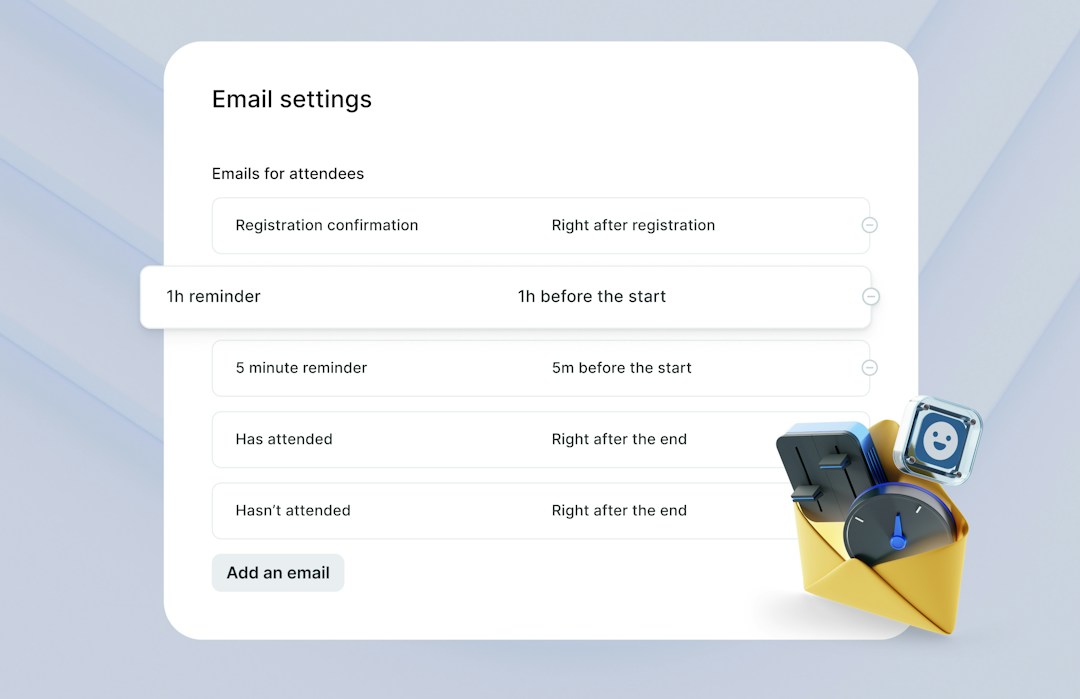
How to Make a Webinar Invitation Stand Out?
In the competitive world of online events, it is crucial to make webinar invitations stand out in order to attract participants. The key to a standout webinar invitation is not just about flashy design or catchy phrases, but about providing real value and creating a connection with the audience. Five distinctive strategies can help invitations grab attention:
- Compelling Title: Crafting a captivating title that clearly communicates the value attendees will gain from the webinar, using action words and being specific.
- Visual Appeal: Creating eye-catching visuals with vibrant colors and engaging imagery that reflect the webinar's theme and professionalism.
- Personal Touch: Personalizing invitations by segmenting the audience and tailoring messages to their interests and needs, using their names and prior interactions to demonstrate commitment to their engagement.
- Storytelling: Sharing a relatable story in the invitation that sets the stage for the webinar's content. Stories connect on an emotional level and make the invitation memorable.
- Exclusive Content: Highlighting unique insights, research, or tools attendees will gain access to, offering a sneak peek or teaser to leave them eager for more.
By applying these strategies thoughtfully, webinar invitations can rise above the noise, ensuring a higher turnout and greater impact for the event.
What is the Best Way to Distribute Webinar Invitations?
Webinar invitations can be distributed through email marketing campaigns, social media platforms, such as Facebook or LinkedIn.
Event organizers should also consider leveraging influencers to amplify their reach and attract a larger audience.
Additionally, webinar invitations can be posted on relevant industry blogs, forums or discussion boards - allowing attendees to discover the event organically.
When should you send webinar invitations?
Livestorm’s 2026 Webinar Benchmark Report, based on more than 7 million registrations, found that registration behavior is heavily back-loaded: 49.6% of registrations happen in the final week before a webinar, and 15.3% happen on the day of the event itself. Only 16.4% of registrants sign up three or more weeks in advance.
That means a single invitation sent a month out won’t carry a campaign on its own. A better cadence follows three phases: an early save-the-date roughly two to four weeks out (aimed at your most engaged contacts), a primary push with two to three reminder emails between 7–14 days before the event, and a final sprint of daily reminders in the last week, where nearly half of all registrations happen. Keeping registration open through the start of the webinar — rather than closing it 24 hours early — avoids losing the 15% of registrants who sign up the same day.
Editorial & methodology — Written and reviewed by the Livestorm content team. Figures on this page are drawn from the Livestorm 2026 Webinar Benchmark Report (33,786 webinar sessions and 7M+ registrations analyzed). Last updated: July 2026.
Frequently Asked Questions
What should a webinar invitation include?
Should a webinar invitation go out as an email, a calendar invite, or both?
Both, ideally. The email carries the marketing message and registration link, while a calendar invite sent after registration helps reduce no-shows.
Should a webinar invitation mention that it's free?
Yes. Explicitly stating "free" removes a common hesitation and should be visible early in the invitation.
Can you send a webinar invitation to people who haven't opted in to marketing emails?
No. Invitations are still marketing communications and need to follow the same consent rules, like GDPR or CAN-SPAM, as any other campaign.



Try Livestorm for free
Get started in minutes and run your first engaging webinar today.
- No credit card needed
- No installation required